


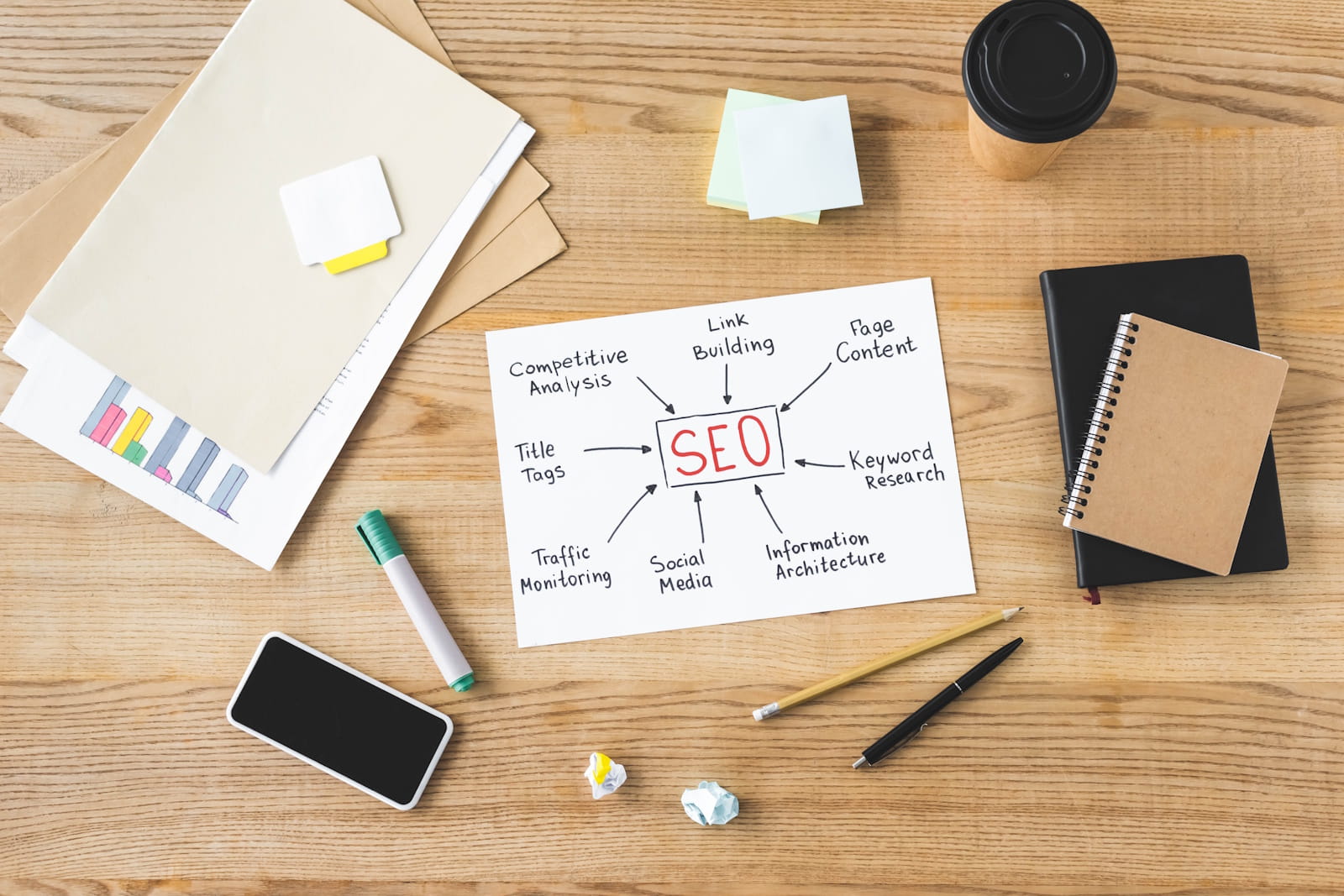
Why SEO and Content Creation Should Be Managed Together
SEO and content creation support the same fundamental goal: connecting a business with people who need its products, services or expertise. SEO helps search engines find and understand a website, while content gives potential customers useful reasons to visit it. When businesses manage these areas together, every article and web page can contribute to visibility, engagement and lead generation.
Treating them as separate activities often creates gaps. A technically sound website cannot achieve its full potential without valuable information, while excellent content may remain unseen without effective optimisation.
SEO and Content Creation Create a Stronger Strategy
SEO relies on content because search engines need meaningful pages to assess, index and present to users. Service pages, articles, case studies and frequently asked questions allow a website to respond to different searches. Without these resources, even a well-built website may have limited opportunities to appear when prospective customers research a subject.
At the same time, SEO and content creation give content a defined commercial purpose. Keyword research, audience analysis and search intent help businesses choose subjects that matter to potential customers. Writers can then create valuable material around genuine questions rather than selecting topics based only on assumptions. This alignment gives every page a clearer role within the wider marketing strategy.
- Keyword research identifies relevant opportunities: Search information reveals the words, questions and subjects potential customers use when researching products or services.
- Search intent clarifies what readers need: Understanding whether people want information, comparisons or a provider helps determine the purpose and format of each page.
- Content planning prevents unnecessary duplication: A coordinated plan gives each article or service page a distinct topic and reduces the risk of several pages competing for the same search.
- On-page optimisation improves understanding: Clear titles, headings, metadata and internal links help readers and search engines interpret the content.
- Performance data supports better decisions: Results show which subjects attract valuable visitors and where the website may need stronger or more detailed information.
This shared strategy ensures that content does more than fill space on a website. Each piece can target a defined audience need, support a relevant business objective and connect with related pages. It can also guide visitors towards further information without forcing an immediate sales message into every paragraph.
Coordination creates greater consistency across the website. SEO specialists, content creators and decision-makers can work from the same priorities, terminology and audience understanding. This reduces conflicting instructions and makes it easier to maintain a recognisable brand voice while improving organic visibility.
Search Intent Gives Content a Clear Purpose
People search for information for different reasons. Someone may want a basic explanation, compare possible solutions or find a provider in South Africa. Content that recognises these differences can answer the immediate question while directing the reader towards a sensible next step. This relevance matters because traffic has little value when visitors have no genuine interest in the business.
Search intent also explains why a website needs more than promotional service pages. Educational articles can reach people during the early stages of research, while comparisons and case studies support more considered decisions. When SEO and content creation reflect the customer journey, a business can remain visible as the searcher moves from identifying a problem to choosing a suitable provider.
SEO and Content Creation Improve Content Quality
Effective optimisation should make content more useful, not less natural. A clear primary subject encourages the writer to remain focused and answer the reader’s question comprehensively. Logical headings, concise page titles and descriptive links make information easier to follow. These elements also help search engines understand how the page relates to a particular search.
Quality remains essential because keywords alone cannot make weak information valuable. SEO and content creation must prioritise accuracy, originality and practical insight. Useful content explains important ideas, addresses common concerns and gives readers enough information to make better decisions. This approach can build trust while demonstrating that the business understands its industry and customers.
An Integrated Approach Supports Better User Experiences
Visitors expect to find relevant information quickly. Clear navigation, focused pages and descriptive headings reduce the effort required to understand a subject. Technical considerations such as mobile usability, page performance and functional links also influence whether people remain on the website. Content cannot produce meaningful results if a frustrating experience drives readers away.
Managing optimisation alongside content helps prevent this disconnect. SEO specialists can identify structural or technical barriers, while content specialists ensure that each page remains clear and engaging. Together, SEO and content creation connect discoverability with usability and encourage visitors to continue exploring the website.
- Focused pages answer questions efficiently: Keeping each page centred on one main subject helps visitors find the information they need without working through unrelated details.
- Descriptive headings improve readability: A logical heading structure allows readers to scan the page and move directly to the sections that matter to them.
- Internal links support natural exploration: Relevant links guide visitors towards connected articles, services or resources without interrupting their reading experience.
- Mobile-friendly content reaches more users: Shorter paragraphs, clear formatting and suitable page layouts make information easier to read across different screen sizes.
- Technical performance protects engagement: Fast-loading pages, working links and accessible navigation reduce frustration and help visitors remain focused on the content.
A positive user experience supports more than search performance. It allows potential customers to learn about a subject at their preferred pace, assess the business’s expertise and decide whether its services suit their needs. Readers who find useful answers can move naturally towards a case study, service page or enquiry.
Search engines also aim to direct users towards relevant and accessible results. A website that combines useful information with a clear structure has a stronger foundation for meeting this expectation. Although no individual improvement guarantees rankings, the combined experience can support engagement, trust and long-term organic visibility.
Authority Develops Through Consistent, Useful Information
Businesses build authority by repeatedly publishing material that demonstrates knowledge and solves relevant problems. A single article may answer one question, but a connected collection of pages can cover a subject in greater depth. This gives visitors more opportunities to learn from the business and can help search engines recognise relationships between different areas of expertise.
Strong content may also attract references and links from other websites. People tend to share resources that offer credible explanations, original insights or practical value. These signals can expand the reach of the content and support organic visibility. However, SEO and content creation should focus first on helping the intended audience. Authority grows more naturally when usefulness drives the strategy.
SEO and Content Creation Produce Longer-Term Value
Paid promotion usually stops generating traffic when a campaign ends. Search-optimised content can continue attracting relevant visitors long after publication, provided that the information remains accurate and competitive. This lasting potential makes a content library a valuable business asset rather than a collection of temporary marketing materials.
Older pages also create opportunities for continued improvement. Businesses can update outdated information, strengthen explanations and connect related resources through internal links. Managing SEO and content creation together makes these decisions more informed because teams can use performance data to identify which pages attract valuable visitors and which ones need further attention.
- Evergreen content can remain useful: Articles that answer recurring customer questions may continue generating relevant visits over an extended period.
- Content updates protect accuracy: Revising facts, examples and explanations helps established pages remain valuable as industries and customer expectations change.
- Internal links strengthen the content library: Connecting older and newer pages helps users discover related information and clarifies relationships between topics.
- Historical performance guides improvement: Existing traffic, engagement and enquiry data can reveal which subjects deserve expansion or refinement.
- Growing topic coverage supports authority: A connected collection of detailed resources can demonstrate knowledge more effectively than isolated articles.
Long-term value does not mean publishing content once and ignoring it. Competitors may produce stronger resources, search behaviour may evolve and previously accurate information can become outdated. Regular reviews allow businesses to protect useful pages and improve material that no longer meets audience needs.
A coordinated strategy also helps companies build on previous work instead of continually starting again. New content can support established service pages, answer additional questions and fill gaps within important subject areas. Over time, the website becomes a more comprehensive resource that attracts relevant visitors and supports qualified enquiries.
Measurement Connects Visibility With Business Results
Rankings and traffic provide useful information, but they do not reveal the complete value of a campaign. A page may attract many visitors without generating meaningful interest. Businesses should also consider enquiries, lead quality, engagement and the actions visitors take after reading. These measures indicate whether the content reaches an appropriate audience and supports commercial objectives.
AI SEO adds another consideration to this measurement process. Clear, authoritative and well-structured information can help a business become more visible in AI-assisted search experiences as well as traditional results. The underlying motivation remains the same: publish reliable content that answers specific questions and makes the business easier to understand, reference and trust.
Are There SEO Service Providers That Integrate Content Creation for South African Businesses?
Yes, some providers manage optimisation and content as connected parts of one strategy. Wildfire SEO integrates content creation into its SEO services for South African businesses. This approach allows research, writing, optimisation and lead generation to support shared goals. Instead of creating content without clear direction, we use search information and audience insights to guide what each page should discuss and whom it should reach.
Our services contribute to different stages of content creation. Some identify suitable topics and search terms, while others improve how search engines and readers discover the finished content. Together, SEO and content creation allow articles, landing pages and service pages to attract relevant visitors, communicate useful information and encourage valuable enquiries.
- On-page SEO: Content, metadata, URL structures and internal links help search engines understand the purpose of each page. These elements also organise information for readers and connect related resources across the website.
- Off-page SEO: External authority can extend the reach and credibility of useful content. Relevant mentions and backlinks signal that other sources consider the information valuable enough to reference.
- Pay-per-click optimisation: Keyword and competitor insights from paid campaigns can reveal which messages attract attention. These findings can inform content subjects, calls to action and language that reflects customer priorities.
- Competitor and keyword research: Research identifies relevant searches, competing pages and gaps in available information. It gives content creators a stronger basis for choosing topics and answering questions that matter to prospective customers.
- Market analysis: Industry trends, audience behaviour and competitor strategies provide context for content planning. This helps Wildfire SEO create material that reflects the realities of a client’s market rather than relying on generic assumptions.
- Lead creation: Valuable information, relevant keywords and clear calls to action help turn visibility into commercial interest. Content can educate visitors while guiding qualified prospects towards an enquiry.
These processes allow us to base content decisions on evidence. Research establishes what audiences want to know, content provides meaningful answers and on-page optimisation makes those answers easier to find. Off-page activity can strengthen authority, while paid-search insights and market analysis reveal further opportunities to improve relevance. Lead-generation principles then connect the information with an appropriate next step.
South African businesses therefore gain more than a standalone writing service. They receive content supported by search research, market understanding and optimisation expertise. By managing these areas together, we can develop content that contributes to visibility, user engagement and lead generation while remaining aligned with the client’s wider business objectives.
Case Study: A New SEO Agency Builds Its Knowledge
A recently established SEO agency wants to create a strong foundation for its services. Its team understands technical optimisation and keyword research, but its members know that these activities cannot succeed without valuable content. They believe that SEO and content creation must work together, although they still need a deeper understanding of why this relationship matters and how it influences client results.
The team begins an extensive research process. It examines the purposes of optimisation and content marketing, studies the role of search intent and explores how website structure affects the visibility of useful information. It also reviews the importance of focused pages, natural keyword use, internal links, content updates and performance measurement. The agency compares these ideas with the needs of South African businesses and considers how local terminology, customer expectations and regional searches can affect relevance.
The research confirms that content provides the substance SEO needs, while optimisation gives content direction and discoverability. The agency decides to include content planning in every appropriate SEO strategy rather than treating writing as an optional extra. It develops a coordinated workflow that connects research, writing, technical review, publishing and measurement. The final step involves continuing to learn from campaign results so the team can refine its knowledge and provide clients with increasingly valuable work.
Choosing a Provider That Manages Both Services
South African businesses should establish whether a potential provider genuinely integrates optimisation and content production. A provider may advertise both services while managing them through disconnected teams or external suppliers. This can lead to inconsistent messaging, poorly targeted topics and delays when technical changes or revisions become necessary.
A suitable provider should explain who conducts the research, who creates the content and how each page contributes to wider objectives. Businesses should also ask how the provider maintains brand accuracy, reviews specialist information and measures results. A coordinated approach creates clearer accountability and ensures that strategy, production and optimisation support the same goals.
Build Sustainable Visibility With Wildfire SEO
SEO and content creation work best when they form part of one carefully managed strategy. Their combined value comes from connecting useful information with genuine customer searches. This relationship can improve visibility, strengthen authority, support a better user experience and turn a website into a more dependable source of qualified enquiries.
Wildfire SEO combines strategic optimisation with in-house content production for South African businesses. Contact us to discuss a coordinated campaign that connects your expertise with the audiences actively searching for it.
FAQs
How Do SEO and Content Creation Work Together?
SEO and content creation work together by matching useful information with the terms people search for. SEO identifies relevant keywords, search intent, technical requirements and opportunities to compete in search results. Content creation turns those insights into helpful pages, articles, guides and resources for readers. Strong content gives search engines enough context to understand a website, while SEO helps that content become discoverable. Neither discipline should operate independently. Publishing without research can miss genuine demand, while optimisation without valuable content rarely earns lasting visibility. An integrated approach can attract qualified visitors, answer their questions and guide them towards becoming customers.
How Often Should Businesses Publish SEO Content?
Quality usually matters more than publishing frequency, although consistency still supports long term growth. A useful schedule depends on the organisation’s resources, competition, objectives and content gaps. Some businesses benefit from one detailed article each week, while others achieve results with two researched pieces per month. Every publication should address an audience need, support a relevant service or topic, and provide information that is more useful than competing pages. Creating large quantities of shallow content can weaken topical focus and consume resources. A realistic editorial calendar makes it easier to maintain quality, update older pages and measure performance over time.
How Should SEO and Content Creation Success Be Measured?
Success should be measured against the purpose of each page rather than rankings alone. SEO metrics include organic impressions, clicks, keyword visibility, engagement, backlinks and conversions such as enquiries, purchases or bookings. Content teams should also assess whether visitors continue to relevant service pages, complete important actions and return for additional information. Search rankings can fluctuate, so performance should be reviewed over periods and compared with previous results. Google Search Console, analytics platforms and customer relationship management data can reveal how content contributes to commercial outcomes. These insights help teams improve existing pages and prioritise future topics with stronger potential.
Can AI Be Used for SEO and Content Creation?
AI can support SEO and content creation by helping with research, topic clustering, outlines, summaries and drafts. However, publishing unverified AI generated copy can introduce factual errors, repetition, generic language and claims that do not reflect the business. Human input remains essential for adding expertise, examples, brand knowledge and editorial judgement. Every piece should be checked for accuracy, originality, relevance and usefulness before publication. AI is most effective as an assistant within a controlled content process, not as a replacement for subject specialists or editors. Search visibility ultimately depends on satisfying readers with trustworthy information that addresses their needs comprehensively.